Introduction
Creating better food portions is a powerful step toward healthier eating and improved well‑being. Whether you want to manage your weight, boost energy, or feel more confident about your meals, understanding how to make better food portions for balanced eating makes all the difference. In this comprehensive guide, we’ll walk you through practical strategies, evidence‑based tips, and easy swaps that help you enjoy food without stress.
Balanced eating isn’t about restriction — it’s about relationship with food, knowing what your body needs, and creating portions that support energy, mood, and long‑term health.
Why Portion Control Matters
Food portions often dictate how many calories, nutrients, and energy we take in. In today’s world of oversized meals and unlimited options, even nutritious food can be too much if portion sizes are too large.
Understand Portion Sizes vs. Serving Sizes
Portion Size
This is the amount of food you choose to eat in one sitting. It can vary from person to person.
Serving Size
This is a standardized measurement — like the amount listed on food labels — that helps guide portion decisions.
Knowing the difference helps you make better food portions for balanced eating by aligning what you choose with what your body truly needs.

Portion Distortion
Over the years, visual cues about portion sizes have changed. What used to be a normal plate can now be labeled “small.” This shift — known as portion distortion — has contributed to higher calorie intake and weight gain.
How to Make Better Food Portions for Balanced Eating
Here are practical strategies to help you define—and maintain—food portions that support your health goals.
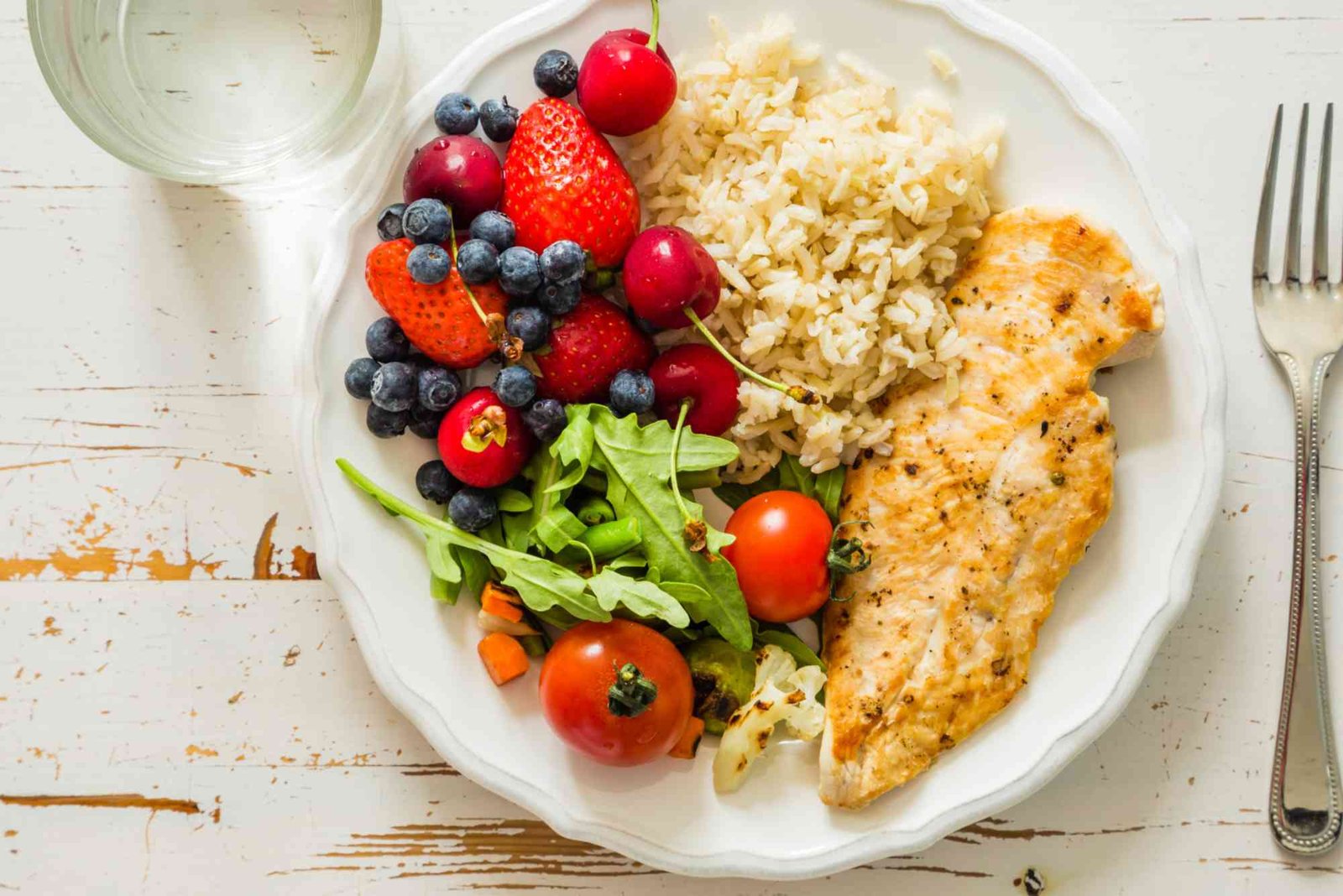
Use the Plate Method
The plate method is a simple visual tool to build balanced meals without needing a scale.
- Half your plate with vegetables and fruits: Fresh, steamed, or roasted veggies and fruits add fiber and nutrients without excess calories.
- A quarter with lean protein: Examples include chicken, fish, tofu, beans, or eggs.
- A quarter with whole grains or starchy vegetables: Brown rice, quinoa, sweet potatoes, or whole‑grain bread.
This basic structure helps your body get a mix of nutrients and keeps portions in check naturally.
Measure with Your Hands
Your hand is a portable portion tool — different parts of the hand help estimate food quantities:
- Palm: 1 palm = protein portion
- Fist: 1 fist = vegetables or grains
- Thumb: 1 thumb = fats like butter or oils
- Cupped hand: 1 cupped hand = snacks, nuts, or carbs
Using these visual cues, you can make better food portions for balanced eating without a scale.
Understand Macronutrient Proportions
Balanced eating means your body gets enough of the three macronutrients:
Protein
Important for muscles, hormones, and immune function. Good protein portion sizes are typically:
- Women: 3–4 oz per meal (about the size of a deck of cards)
- Men: 4–6 oz per meal
Protein helps you feel full longer and supports stable energy.
Carbohydrates
Your main source of energy. Focus on whole grains and fiber‑rich options. A proper portion at meals is roughly:
- ½ cup cooked grains or starchy foods
- 1 small piece of fruit or the size of a tennis ball
Fats
Essential for nutrient absorption and brain health. Keep fats modest:
- 1–2 teaspoons of oils
- 1–2 tablespoons of nut butter
This ensures balanced calorie intake without overdoing energy density.
Portion Snacks Smartly
Snacks have a place in balanced eating, especially between long gaps. The key is mindful portions.
- Pre‑portion snacks into small containers
- Avoid eating directly from the bag
- Choose nutrient‑dense options like yogurt, fruit, or nuts
A good rule of thumb is 100–200 calories per snack — enough to satisfy hunger without sabotaging your meal portions.
Use Smaller Plates and Bowls
Swapping big plates for smaller ones is a subtle psychological trick that reduces portions subconsciously. Plates that are 9–10 inches help meals look fuller while naturally reducing over‑serving.
Fill Up on Fiber First
Fiber adds bulk without many calories, helping food portions feel more satisfying. High‑fiber foods include:
- Vegetables (broccoli, spinach, carrots)
- Fruits (berries, pears, apples)
- Whole grains (oats, barley)
- Legumes (beans, lentils)
Start meals with a salad or veggies — this automatically cuts down portion sizes of higher‑calorie foods.
Read Nutrition Labels
Food packaging is a valuable resource. Pay attention to:
- Serving size
- Calories per serving
- Sugar, fat, and fiber content
Often, a “package” might contain multiple portions. Being aware helps you make informed food portion decisions.
Practice Mindful Eating
Balanced eating isn’t just about numbers — it’s about awareness. Slow down and ask yourself:
- Am I hungry or eating out of boredom?
- Am I full yet?
- Do I need the next bite?
Mindful eating slows down eating pace, helping you recognize fullness cues before overeating.
Adjust Portions Based on Activity Level
Active days call for more energy. On workout days, add slightly more healthy carbs or proteins to support performance and recovery.
Conversely, on less active days, aim for smaller portions of calorie‑dense foods.
Plan Portions Ahead
Meal prepping helps keep portions balanced naturally. Try these ideas:
- Portion meals into containers
- Store snacks in pre‑measured bags
- Keep fruits and veggies visible in the fridge
Planning eliminates guesswork and reduces the temptation to over‑serve.
A Balanced Approach to Eating
Learning how to make better food portions for balanced eating doesn’t happen overnight, but with consistent strategies, it becomes second nature. The goal is not perfection — it’s progress. Balanced portions help with weight management, stable energy, mood regulation, and better nourishment.
Start with one change this week: use the plate method, pre‑portion snacks, or eat more veggies first. Small adjustments lead to big results.
FAQs
How many calories should I eat per meal for balanced eating?
Calorie needs vary by age, activity level, and goals. Generally, aim for 300–600 calories per meal, focusing on balance rather than strict limits.
What is a healthy portion size for carbohydrates?
A healthy portion of carbohydrates is typically around ½ cup cooked grains or one small whole fruit per meal.
Can portion control help with weight loss?
Yes — controlling portions helps reduce excess calorie intake while ensuring your body still gets essential nutrients.
How do I avoid overeating at restaurants?
Split entrées, choose starters as mains, or ask for a half portion. Share desserts and avoid buffet over‑serving.
Should I track food portions every day?
Tracking can help build awareness early on, but over time, you may learn to estimate portions without tracking.
Discover the ultimate beauty and wellness tips at Inner Beautys! From skincare routines to self-care guides, our expert advice helps you glow inside and out. Explore fresh ideas, product reviews, and lifestyle inspiration to elevate your daily beauty rituals. Start your journey to radiant confidence today at Inner Beautys.