Introduction
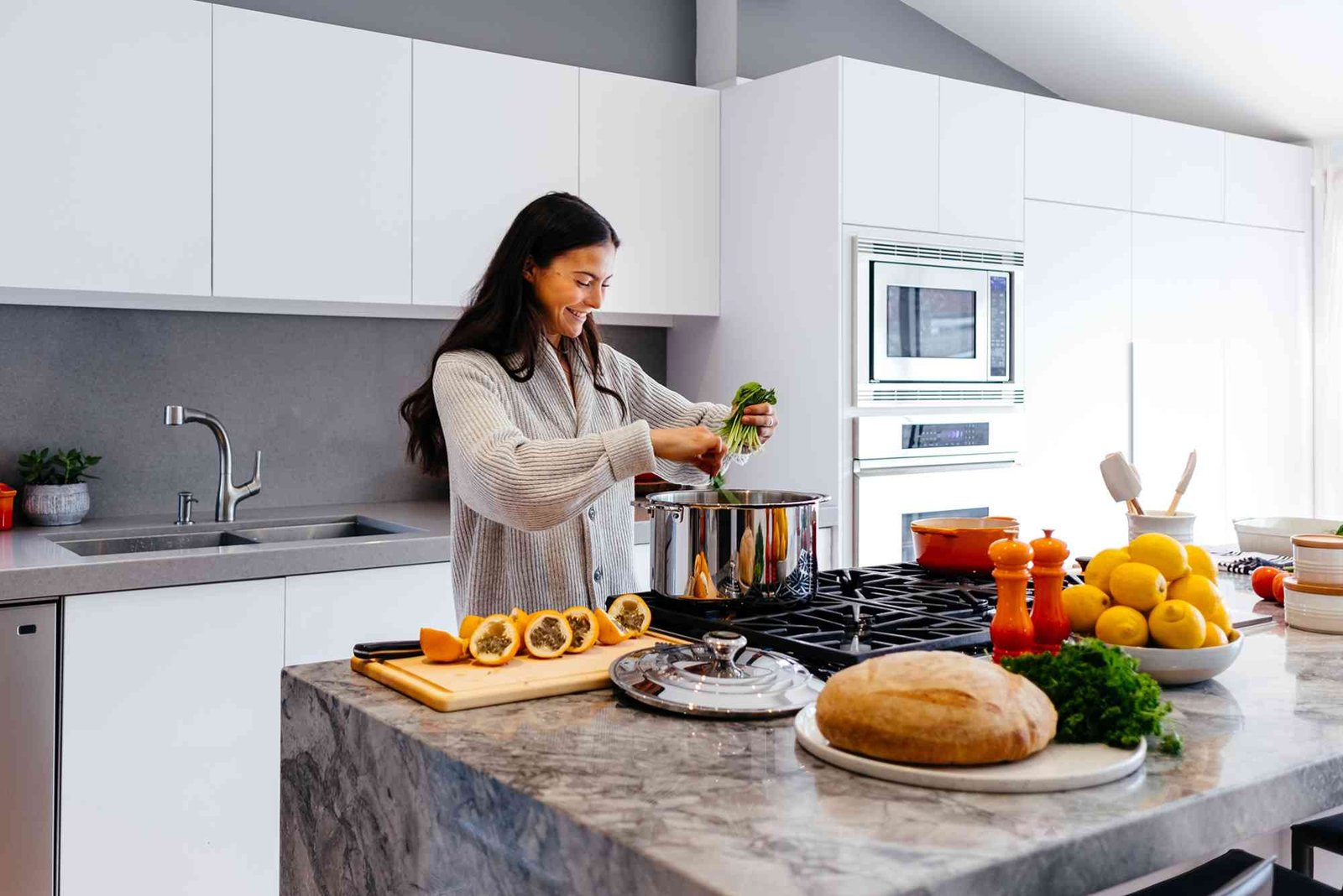
Cooking in a small kitchen can feel challenging — limited counter space, fewer appliances, and storage constraints make even simple meals seem complicated. But with the right strategies and mindset, how to cook food efficiently in a small kitchen becomes an exciting opportunity to work smarter, not harder. Whether you live in a studio apartment, tiny home, or shared space, this guide offers practical tips, expert advice, and time-saving techniques that make efficient cooking easier and more enjoyable.
Small kitchens demand creativity. I’ve navigated compact countertops and tiny cabinets during years of shared house living and frequent apartment moves. What I learned is that efficiency isn’t about having the biggest space — it’s about clear organization, intelligent multitasking, and using the right tools. In this article, you’ll discover actionable strategies to maximize your space, streamline your workflow, and elevate your meals without stress or clutter.
Why Efficient Cooking Matters
Cooking efficiently in a small kitchen goes beyond saving time — it improves your health, reduces waste, and makes everyday meals less overwhelming. Efficient techniques help you:
- Save time during preparation and cleanup
- Reduce food waste by planning and organizing
- Avoid clutter and frustration
- Prepare healthier meals at home instead of eating out
Setting Up Your Small Kitchen for Success
A well-organized kitchen lays the foundation for efficient cooking. When everything has a place — and you only keep what you use — food preparation becomes faster and less stressful.
Declutter and Prioritize Essentials
Start by removing items you rarely use. In a small kitchen, every inch matters.
- Keep only essential cookware and utensils
- Donate duplicate or unused tools
- Opt for stackable or collapsible kitchenware
This practice immediately increases usable space and reduces decision fatigue while cooking.
Smart Storage Solutions
Small kitchens benefit enormously from well-planned storage.
Use vertical space:
Install shelves and hooks to keep pots, pans, and utensils within easy reach. Magnetic knife strips and wall-mounted racks free up drawer space.
Group similar items:
Place baking tools together, store spices in clear labeled jars, and keep everyday plates within arm’s reach.
Utilize cabinet organizers:
Tiered shelves and pull-out baskets make deep cabinets more functional.
Choose the Right Tools for Efficient Cooking
Having the right tools simplifies your workflow and reduces time spent preparing meals in a small kitchen.
Invest in Multi-Purpose Appliances
Multi-functional tools save space and time. Some excellent choices include:
- Instant Pot or multi-cookers: Combine slow cooking, pressure cooking, rice cooking, and more
- Blender or immersion blender: Great for sauces, soups, and smoothies
- Air fryer: Perfect for quick, healthy meals with minimal cleanup
Compact Cookware
Choose cookware designed for small kitchens:
- Nesting pots and pans
- Collapsible strainers and measuring cups
- Small baking sheets that double as prep trays
Selecting tools that serve multiple purposes reduces clutter and streamlines your cooking process.
Efficient Meal Planning and Prep
Meal planning is one of the most effective ways to cook food efficiently in a small kitchen. It reduces daily decision-making and minimizes trips back and forth to the fridge.
Create a Weekly Menu
Before shopping, plan your meals for the week. This helps you:
- Buy only what you need
- Use ingredients across multiple meals
- Avoid food waste
Example: Roast a batch of vegetables and use them in salads, wraps, and stir-fries throughout the week.
Prep Ahead
Spend one day prepping basics like:
- Washing and chopping vegetables
- Cooking grains like rice or quinoa
- Seasoning proteins
Pack prepped ingredients into containers and refrigerate. When it’s time to cook, you can combine items quickly without working around clutter.
Streamline Your Cooking Workflow
Working efficiently in a small kitchen means reducing movement and preparing multiple components at once.
Organize Your Workstation
Before you start cooking, set up your workstation:
- Lay out ingredients
- Place tools within reach
- Clear unnecessary items
This technique — often called mise en place — saves time and helps prevent mistakes.
Use One-Pot and Sheet-Pan Meals
One-pot dishes simplify cleanup and minimize the need for large countertops.
Examples of efficient meals:
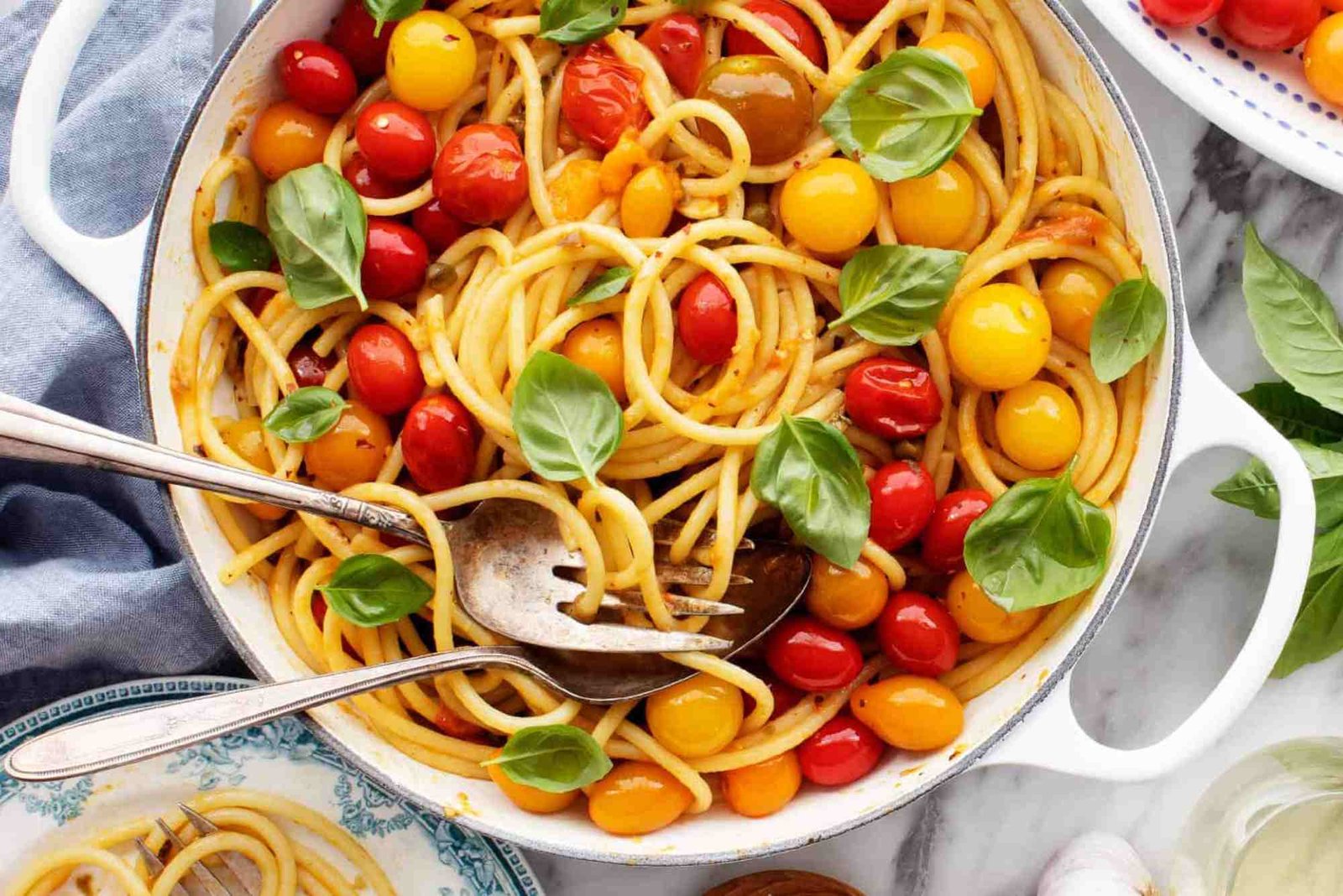
- One-pot pasta with vegetables
- Sheet-pan salmon with asparagus and potatoes
- Stir-fry with rice and tofu
These meals require fewer dishes and cook quickly, saving time and space.
Optimize Your Cooking Techniques
Small kitchens don’t mean you can’t cook big flavors. Focus on techniques that save energy and time.
Batch Cooking
Batch cooking is preparing larger quantities in one session and storing extras for later. It’s especially useful for small kitchens where cooking every day can be tiring.
Batch cooking tips:
- Cook grains, proteins, and sauces in bulk
- Freeze leftovers in portion-sized containers
- Use versatile ingredients across meals
Cook with High Heat When Appropriate
Using higher heat can reduce cooking time for many dishes — like stir-fries and sautéed vegetables. Always monitor your food to prevent burning.
Clean as You Go
Clean as you cook to keep your space usable and stress-free. When countertops are clear, you have more room to work.
Wash Small Items Immediately
As soon as you’re done with knives, cutting boards, and bowls, wash or place them in the dishwasher. This keeps your sink from overflowing and your space clear.
Soak While You Cook
Fill pots and pans with hot water and soap immediately after use. This loosens stuck-on food and makes cleanup faster later.
Maximize Small Appliances
Your small kitchen tools can do more than you think.
Pressure Cooker Power
Pressure cookers significantly reduce cooking time for beans, grains, soups, and meats — ideal for efficient cooking.
Oven vs. Stovetop
Use the oven for hands-off cooking. Roasting vegetables or baking chicken allows you to use the stovetop for other tasks.
Save Time with Smart Habits
Efficiency is also about daily habits. Small changes can make cooking in a tight space feel natural.
Keep a Running Grocery List
Whenever you run out of an ingredient, add it to a list. This prevents last-minute shopping trips and forgotten items.
Rotate Ingredients
Keep a small rotation of staples so you always know what’s available. This helps reduce food spoilage and extra trips to the store.
Common Mistakes to Avoid
Even experienced home cooks fall into common traps that slow down cooking in a small kitchen.
Overbuying Ingredients
With limited space, buying too many perishable items leads to waste. Plan meals first, then shop.
Using Too Many Dishes at Once
In small kitchens, more dishes mean less space. Stick to simple cookware combinations to stay organized.
Learning how to cook food efficiently in a small kitchen can be transformative. With intentional organization, smart meal planning, and thoughtful tools, you can create delicious meals with minimal stress — no matter the size of your space.
Remember: efficiency isn’t about rushing; it’s about creating systems that make cooking enjoyable, repeatable, and freeing. Take these tips, customize them, and make your small kitchen work for you.
FAQs
What are the best cookware items for a small kitchen?
The most essential items include a multi-cooker, nesting pots and pans, cutting board that fits over your sink, and stackable storage containers. These save both space and time.
How can I make meal prep easier in a small space?
Start with a clear plan. Wash, chop, and portion ingredients ahead, then store them in labeled containers. This reduces daily prep time.
What’s the easiest way to clean up after cooking in a tight kitchen?
Clean as you go. Wash small tools immediately, soak dishes while you cook, and wipe surfaces frequently to keep space open and clear.
Can I cook healthy meals efficiently in a small kitchen?
Yes! Use techniques like sheet-pan dinners, one-pot meals, and batch cooking to prepare nutritious food with minimal equipment and cleanup.
How do I store ingredients to save space?
Use clear, stackable containers and group similar items. Store frequently used tools at eye level and lesser-used items higher up.
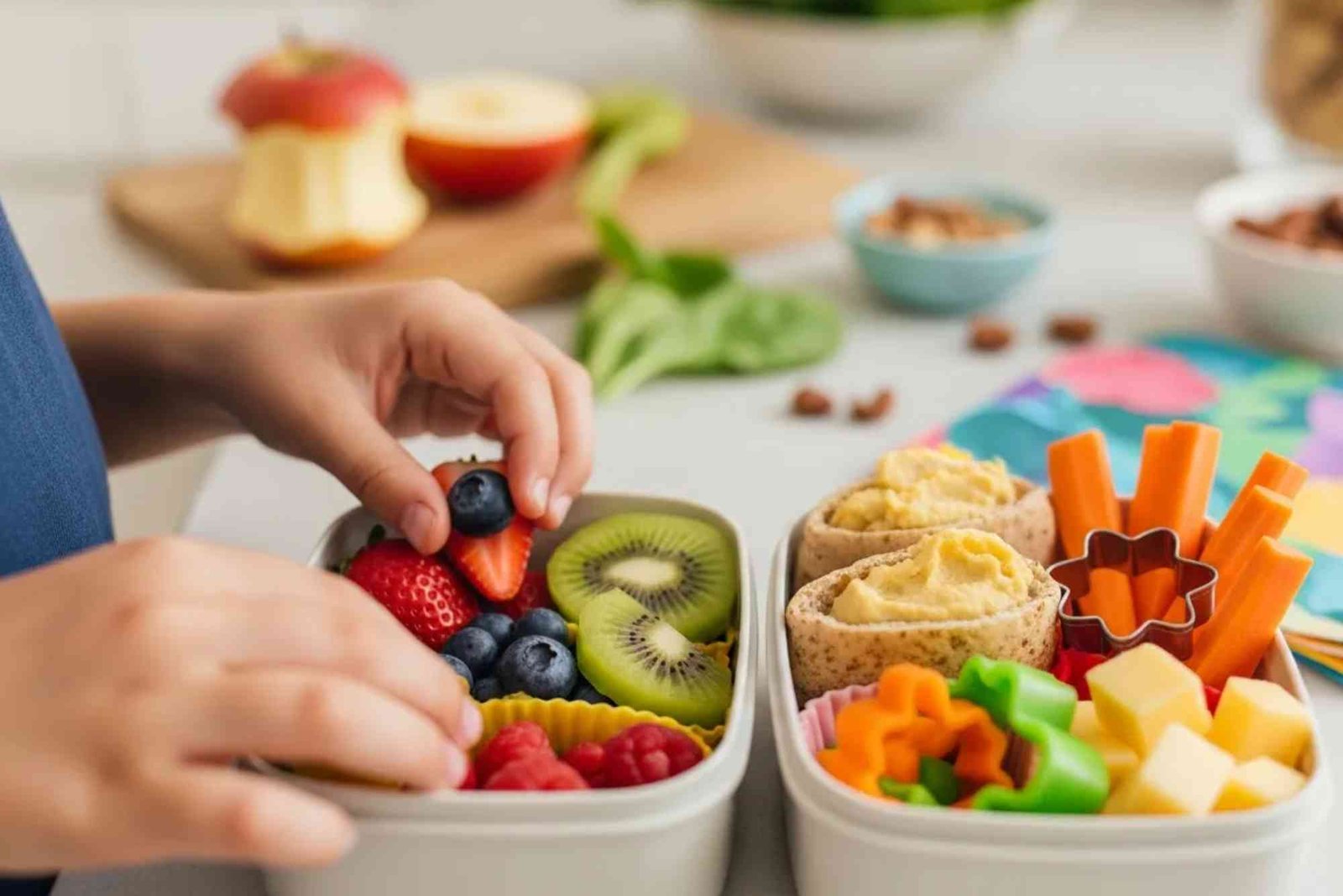
Top Nutritious Food Ideas for Children help ensure kids grow healthy and strong. Include colorful fruits, fresh vegetables, whole grains, lean proteins, and dairy for balanced nutrition. Fun snacks like smoothies, yogurt parfaits, and veggie sticks make eating healthy exciting while supporting energy, immunity, and brain development.