
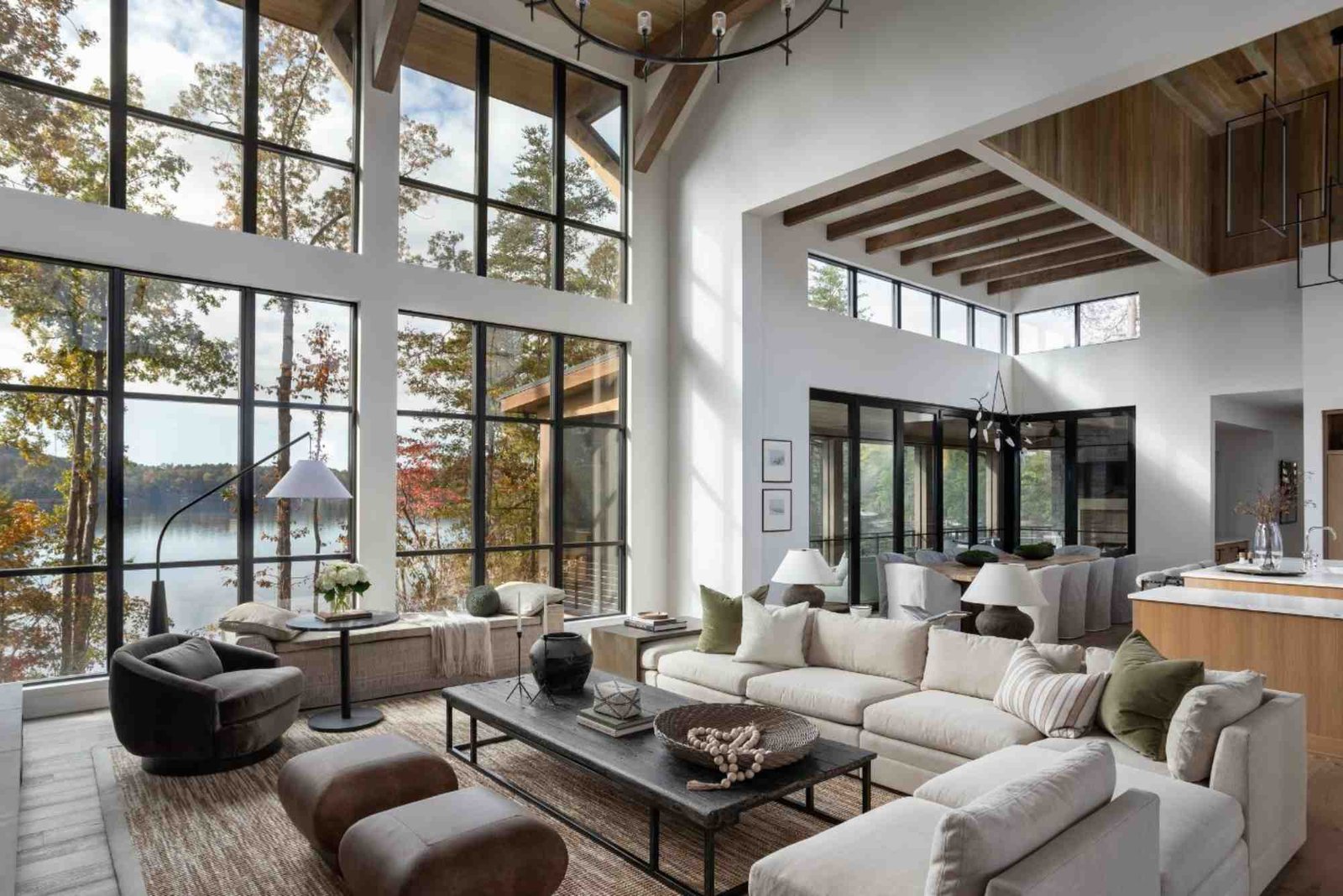
Introduction
Your home should be a sanctuary—a place that immediately feels warm, welcoming, and comfortable. Creating a more inviting home interior is not just about luxury or aesthetics; it’s about crafting spaces where you and your guests feel relaxed and inspired. Whether you live in a compact apartment or a spacious house, small changes can have a big impact on the atmosphere of your home. In this guide, we’ll explore practical strategies, design principles, and tips to make your home more inviting without breaking the bank.
Start with Comfort as the Foundation
Comfort is the cornerstone of an inviting home interior. Even the most stylish design can feel cold if it isn’t comfortable.
Choose the Right Furniture
Invest in furniture that combines style with comfort. Plush sofas, cushioned chairs, and supportive mattresses make a room feel more welcoming. Don’t overfill your space; instead, focus on pieces that encourage relaxation and conversation.
Incorporate Soft Textiles
Textiles like throw blankets, area rugs, and cushions instantly add warmth and texture to your home. Opt for materials that are soft to the touch, such as cotton, wool, or velvet, to create a cozy and inviting atmosphere.
Prioritize Ergonomics
Seating arrangements should allow for comfortable interaction. Ensure pathways are clear, chairs are at a comfortable height, and surfaces are easy to reach. A well-thought-out layout not only looks good but also feels welcoming.
Use Color to Set the Mood
Color dramatically influences how a space feels. The right palette can make your home feel calm, vibrant, or cozy.

Warm vs. Cool Tones
Warm colors like beige, soft yellows, and terracotta create a sense of coziness and intimacy. Cool tones like blues and greens evoke calm and relaxation. Mixing both strategically can balance energy and serenity in your home.
Accent Walls and Details
You don’t need to paint the entire room in one color. Accent walls, colorful artwork, or statement furniture can add personality and interest without overwhelming the space.
Natural Elements
Earthy tones inspired by nature—like muted greens, browns, and sandy neutrals—enhance the inviting feeling. Pairing colors with natural materials like wood or stone amplifies warmth and connection to the outdoors.
Optimize Lighting for Ambiance
Lighting plays a critical role in creating an inviting home interior. Proper lighting makes spaces feel open, warm, and comfortable.
Layer Your Lighting
Combine ambient, task, and accent lighting to add depth and flexibility. Ambient lighting provides overall illumination, task lighting helps with activities like reading or cooking, and accent lighting highlights features or décor.
Choose Warm Bulbs
Soft, warm-white bulbs are more inviting than harsh, cool-toned lighting. Consider dimmable lights to adjust the mood according to the time of day or activity.
Utilize Natural Light
Maximize sunlight by using light curtains or sheer panels. Natural light makes spaces feel more spacious, cheerful, and inviting. Mirrors can also amplify sunlight, brightening your interior effortlessly.
Add Personality with Décor
Personal touches give a home character and make it feel lived-in rather than staged.
Showcase Meaningful Objects
Display photos, souvenirs, or heirlooms that tell a story. They create conversation starters and evoke positive emotions.
Integrate Art and Wall Décor
Art is a reflection of your personality. Select pieces that resonate with you and complement the room’s style. Even a simple gallery wall or framed prints can elevate your space.
Bring in Greenery
Plants purify air, add color, and inject life into your home. From small potted plants to large indoor trees, greenery is a simple yet effective way to make your home more inviting.
Maintain Flow and Organization
A cluttered, chaotic space can feel stressful rather than welcoming. Proper organization and flow are key.
Declutter Regularly
Remove unnecessary items and keep surfaces tidy. Minimalism doesn’t mean empty; it means intentional placement of items that bring joy and function.
Create Defined Zones
Designate areas for different activities—like a reading nook, dining space, or workspace. Clear zones help your home feel organized and harmonious.
Use Functional Storage
Hidden storage, shelves, and stylish baskets keep clutter out of sight. Well-designed storage solutions maintain aesthetics while supporting functionality.
Engage the Senses
An inviting home appeals to more than just sight; it engages all your senses.
Scent
A subtle fragrance can significantly enhance a room’s ambiance. Use candles, essential oil diffusers, or fresh flowers to add a pleasing scent.
Sound
Soft background music or the gentle sound of a water feature can create a calming atmosphere. Consider your home’s acoustics to avoid echoing or harsh noises.
Touch
Incorporate tactile elements like plush cushions, cozy rugs, or textured fabrics. A home that invites touch feels warmer and more comforting.
Create Inviting Outdoor Spaces
Your home’s exterior sets the tone for what’s inside. Don’t neglect outdoor areas—they’re extensions of your living space.
Front Entryway
A welcoming front door, clean pathway, and potted plants can immediately create an inviting impression.
Outdoor Seating
Comfortable chairs, a small table, or even a hammock can transform a patio or balcony into a cozy retreat.
Lighting Outdoors
String lights, lanterns, or solar lamps enhance safety and ambiance, making outdoor spaces more enjoyable day or night.
FAQs
How can I make my small home feel more inviting?
Use light colors, mirrors, multifunctional furniture, and strategic lighting. Declutter and create cozy zones to maximize comfort.
What colors make a home feel warm and welcoming?
Warm neutrals, soft yellows, muted oranges, and earthy tones evoke a cozy, inviting atmosphere.
How important is lighting in home design?
Lighting is crucial—it sets the mood, highlights décor, and improves functionality. Layered lighting is most effective.
Can plants really make a home feel more inviting?
Yes! Plants add color, life, and a sense of calm, making spaces more vibrant and welcoming.
What small changes instantly improve home warmth?
Adding rugs, cushions, throw blankets, ambient lighting, and personal décor items can quickly make your home more inviting.
Creating a more inviting home interior is about blending comfort, style, and personality. From thoughtful furniture choices and cozy textiles to layered lighting and personalized décor, each element contributes to a welcoming atmosphere. By engaging your senses, maintaining organization, and paying attention to flow, your home can become a space that truly feels like a sanctuary.
Discover the ultimate destination for self-care and wellness at InnerBeautys. From skincare tips to beauty insights, our blog inspires you to embrace your natural glow and boost confidence every day. Explore expert advice, trending routines, and holistic wellness ideas to elevate your lifestyle effortlessly.
Related Reading: How to Make Your Home Feel More Organized and Stylish
Related Reading: Top Home Styling Tips for Better Home Atmosphere