
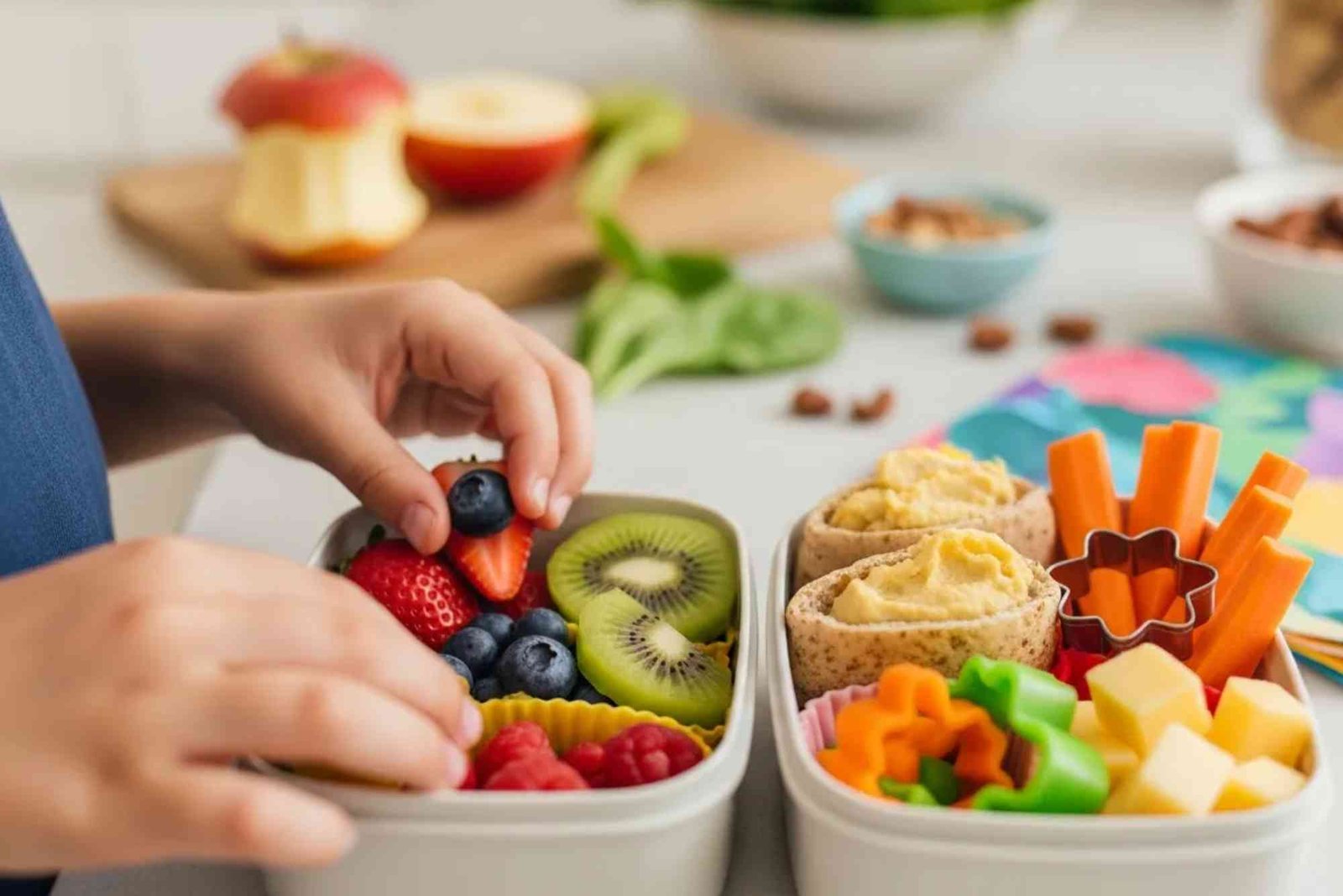
Introduction
Good nutrition in childhood lays the foundation for lifelong health, strong immunity, vibrant energy, and optimal growth. But with busy schedules, picky eating, and constant temptations of processed snacks, many parents struggle to offer meals that are both nourishing and kid-approved. That’s where Top Nutritious Food Ideas for Children come in — thoughtfully selected foods that fuel growing bodies and developing minds while keeping taste buds happy.
In this guide, we’ll explore balanced food choices, practical meal ideas, expert insights on nutrients children need most, and smart strategies for improving eating habits. Whether you’re packing lunches, planning after-school snacks, or teaching your child about healthy eating, you’ll find helpful tips backed by nutrition knowledge.
Why Nutrition Matters in Childhood
Healthy eating isn’t just about avoiding junk food — it’s about supplying the body with building blocks for physical growth, brain development, immunity, and long-term well-being.
Growth & Development
Children are constantly growing — bones lengthen, muscles develop, and organs refine their functions. This means they need more of certain nutrients like:
- Protein for tissue repair and muscle growth
- Calcium and Vitamin D for strong bones and teeth
- Iron for healthy blood and cognitive development
Brain Health & Learning
Foods rich in omega-3 fatty acids, antioxidants, and complex carbohydrates support memory, concentration, and learning ability — especially crucial during school years.
Immunity & Energy
A balanced diet with vitamins (A, C, E), minerals (zinc, magnesium), and fiber helps children resist infections and sustain steady energy throughout the day.

Throughout this article, we will focus on Top Nutritious Food Ideas for Children that naturally provide these essential nutrients.
Nutrient Groups Kids Need & What Foods Provide Them
Every nutritious meal should include a variety of nutrients. Here’s a simple breakdown of what your child needs and where it comes from.
Protein — The Building Block
Protein repairs tissues, builds muscles, and supports immune function.
High-Protein Foods for Kids
- Eggs (boiled, scrambled, omelets)
- Lean poultry (chicken, turkey)
- Fish (salmon, tuna — rich in omega-3)
- Beans and lentils
- Greek yogurt and cottage cheese
- Tofu and tempeh
Tip: Pair plant proteins (like beans) with whole grains for complete amino acids.
Healthy Fats — Good for the Brain
Healthy fats support brain development and hormone production.
Kid-Friendly Healthy Fats
- Avocado spread on toast or in smoothies
- Nut butters (peanut, almond) — spread on fruit or whole-grain crackers
- Seeds (chia, flax, pumpkin)
- Olive oil for cooking or dressings
- Oily fish like salmon or mackerel
Note: Avoid trans fats found in many packaged snacks — they provide no nutritional benefit.
Vitamins & Minerals — The Immune Boosters
Fruits and vegetables are rich in vitamins, antioxidants, and fiber.
Colorful Produce Every Child Should Try
- Berries (strawberries, blueberries)
- Citrus fruits (orange wedges, mandarins)
- Leafy greens (spinach, kale) — blend into smoothies if kids resist eating them whole
- Colorful peppers and carrots
- Sweet potatoes — rich in Vitamin A
Fun Serving Idea: Turn sliced veggies into “rainbow plates” to make meals visually exciting.
Complex Carbohydrates — Energy for Learning & Play
Whole grains provide steady energy and fiber, which helps digestion.
Great Whole-Grain Choices
- Oatmeal with fruit and seeds
- Brown rice or quinoa
- Whole-grain bread or wraps
- Whole-grain pasta
- Cereals low in sugar
Avoid breakfast cereals with added sugars — they can spike energy and then crash attention.
Practical Meal Ideas: Breakfast, Lunch, Dinner & Snacks
Having a few go-to meal plans can save time and stress. Below are delicious, balanced, and nutritious food ideas for children.
Breakfast Ideas That Kickstart the Day
Breakfast fuels attention, memory, and mood — essential for school success.
Oatmeal Power Bowl
Start with whole oats and top with:
- Fresh berries
- Sliced banana
- Chia seeds
- A drizzle of honey or nut butter
Why it’s great: Fiber + protein + healthy fats = sustained energy.
Veggie & Cheese Omelet
Mix:
- Eggs
- Chopped spinach
- Bell peppers
- Mild cheese
Serve with: Whole-grain toast.
Benefits: Vegetables + protein keeps kids full longer.
Yogurt Parfait
Layer:
- Greek yogurt
- Fresh fruits
- Low-sugar granola
- Flax or chia seeds
Why this works: Calcium, probiotics, and antioxidants for gut and immunity.
Balanced Lunchbox Ideas
Packing lunch doesn’t have to be boring. Here are balanced combos that kids enjoy.
Turkey & Avocado Wrap
Inside:
- Whole-grain wrap
- Sliced turkey
- Avocado
- Lettuce & tomato
Add: Fruit slices and a small yogurt.
Quinoa Salad Bowl
Combine:
- Cooked quinoa
- Cucumbers
- Cherry tomatoes
- Corn
- Olive oil & lemon juice
Tip: Add shredded chicken for extra protein.
Mini Pita Pockets
Fill with:
- Hummus
- Veggie sticks (carrots, cucumber)
- Grilled chicken strips
Add: Apple slices or grapes.
Nutritious Dinner Options
Dinner is a chance to offer variety and balanced plates.
Baked Salmon with Veggies
Serve:
- Oven-baked salmon (seasoned lightly)
- Steamed broccoli
- Brown rice
Benefits: Omega-3s for brain health + veggies for nutrients.
Chicken & Sweet Potato Mash
Pair:
- Grilled or baked chicken
- Sweet potato mash
- Green peas
Why kids love it: Sweet potatoes are naturally sweet and packed with vitamin A.
Veggie Stir-Fry with Tofu
Made with:
- Tofu cubes
- Colorful veggies (carrot, capsicum, snap peas)
- Light soy or teriyaki (low sodium)
Serve with: Brown rice or noodles.
Healthy Snack Ideas Between Meals
Kids often need energy boosts throughout the day. Choose snacks that complement meals.
Smart Snack Picks
- Sliced apple with peanut butter
- Carrot sticks with hummus
- Trail mix (nuts, seeds, raisins)
- Smoothies with yogurt + spinach + fruit
- Whole-grain crackers + cheese
Snack Tip: Pair a carbohydrate with protein or healthy fats to prevent sugar crashes.
Tips for Picky Eaters
Getting kids to eat healthy isn’t always straightforward. Here are expert-approved strategies:
Make Food Fun
- Use cookie cutters for fun shapes
- Serve food in colorful patterns
- Create themes (rainbow plates, monster faces)
Let Kids Help
Kids are more likely to eat what they help prepare. Simple tasks like stirring, washing produce, or assembling wraps make them feel involved.
Offer Choices
Instead of forcing one item, offer a choice: “Would you like carrots or cucumbers?” This gives control without compromising nutrition.
Be Patient with New Foods
Research shows it can take multiple exposures (10–15 times) before a child accepts a new food. Keep offering without pressure.
The Role of Hydration
Water is essential but often overlooked. Teach kids to drink:
- Water regularly throughout the day
- Milk as a calcium source
- Limit fruit juices to small amounts (high in sugar)
Avoid sugary drinks, which can contribute to weight gain and dental issues.
How to Balance Indulgences
Kids will still enjoy treats — and that’s okay. The goal of Top Nutritious Food Ideas for Children is balance, not perfection.
Smart indulgence tips:
- Offer smaller portions of sweets
- Pair treats with nutritious sides (fruit + cookies)
- Save sugary foods for special occasions
Summary: What Makes These Food Ideas Effective
| Category | Nutrients Provided | Why It Matters |
|---|---|---|
| Eggs & dairy | Protein, calcium | Growth & bone health |
| Fruits & veggies | Vitamins, fiber | Immunity & digestion |
| Whole grains | Energy, fiber | Sustained focus |
| Lean meats & beans | Protein, iron | Muscle & brain development |
| Healthy fats | Omega-3 | Brain & hormone support |
All these contribute to balanced growth, better school performance, strong immunity, and lifelong healthy habits.
FAQs
What are the best foods to help children grow?
Children need a mix of protein, calcium, vitamins, and healthy fats. Foods like dairy, lean meats, eggs, beans, and colorful fruits/vegetables support growth and development.
How can I ensure my picky eater gets enough nutrition?
Offer small portions of nutritious foods, involve them in meal prep, and pair new foods with favorites. Repeated, pressure-free exposure helps acceptance.
Which snacks are both healthy and kid-friendly?
Healthy snacks include fruit with nut butter, yogurt parfaits, veggie sticks with hummus, homemade trail mix, and smoothies with greens.
How much sugar is okay for children?
Limit added sugars. Natural sugars in whole fruits are better because they come with fiber and nutrients. Always check labels to avoid high-sugar cereals and drinks.
Creating nourishing meals doesn’t need to be complicated. With the right knowledge and a few simple strategies, you can confidently offer Top Nutritious Food Ideas for Children that support their growth, brain health, immunity, and energy — all while keeping meals enjoyable.
Related Reading: How to Make Better Food Portions for Balanced Eating